
Archive for category: General

Creative Ways to Add More Fruits and Vegetables to Your Diet
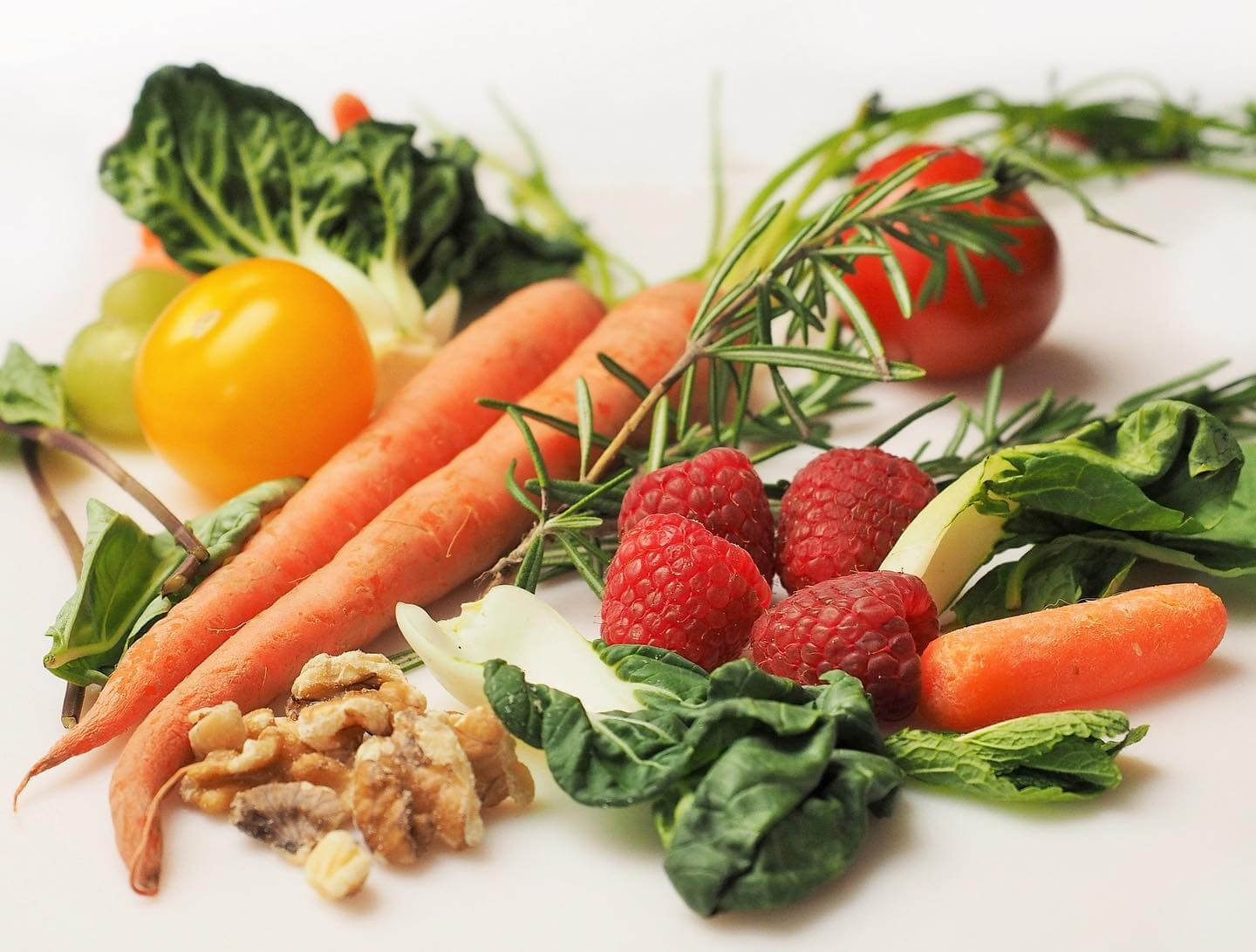
Getting more fruits and vegetables into your family’s diet can be challenging. Luckily, there are many ways to add more into your meals. I have found some creative ways to sneak the vegetables in, especially if you have children. One way is to sample a new fruit or vegetable at least twice a month. If you don’t really care for it at first, try it at least 4 more times, but prepared in different ways. When I do this, I find that most times I eventually start to like the new fruit or vegetable. This is a good way to try new food with young children. You’ll see that after a few tries they will often begin to like the taste.

Here are some ways you can sneak in those new fruits and vegetables.

  1. Add vegetables such as peppers, onions, mushrooms, garlic, squash and/or cauliflower to your meatballs or meatloaf. Also, if making meatballs or even meat sauce, adding spinach or kale along with these other vegetables into the sauce is a really good way to get in extra vegetables.
  2. Add mushrooms, onions, broccoli, peppers, spinach, kale and/or tomatoes to scrambled eggs.
  3. Add blueberries, strawberries, bananas or carrots to homemade breads and muffins.
  4. Cut up vegetables and fruits, and store them in the refrigerator to have easy access when looking for a snack.
  5. Have a smoothie for breakfast with Greek yogurt, spinach, kale, frozen riced cauliflower, berries and bananas.
  6. Have oatmeal or whole grain pancakes for breakfast and add fresh berries, bananas, shredded carrots or zucchini.
  7. Freeze berries and banana slices. Add the berries and bananas to a blender or food processor and blend for a smooth consistency. Eat this in place of ice cream.
  8. Make animals out of fruits and vegetables for children. Celery with an all natural nut butter topped with raisins or grapes becomes ants on a log.
  9. Use spaghetti squash, spiralized zucchini or sweet potatoes to replace spaghetti with a vegetable. Or use zucchini or eggplant as the noodles in lasagna.
  10. Grill vegetable kabobs with bell peppers, onions, zucchini and mushrooms.
  11. Replace rice with riced cauliflower.

Hopefully this has given you some ideas to be more creative with vegetables and fruit. Feel free to share your ideas in the comments below.
Association Between Diabetes and Cardiovascular Disease

The incidence of cardiovascular disease increases greatly when also living diabetes. Data from the National Heart Association shows 65% of people with diabetes will die from some sort of heart disease or stroke. In general, the risk of heart disease and stroke are more than twice as high in people with diabetes.  This is more common in people with type 2 diabetes. (www.webmd.com/diabetes/heart-blood-disease)

The association between diabetes and cardiovascular disease in adults over 18 in Arizona are 2 to 4 times higher than those without diabetes. Two out of every three adults with diabetes will die from heart disease or stroke.  The percentage of adults (18 and over) who had a heart attack, angina, and/or stroke, and also had diabetes is 25%.  Approximately 22% had both coronary heart disease and diabetes, and about 8% reported having a stroke and diabetes. (www.azdhs.gov)

Insulin is the hormone that keeps the blood sugar at optimal levels in the blood after eating. It opens the cells to take in the glucose for energy. If there are too many carbohydrates or sugars in the blood, excess insulin is released into the blood to try and control the sugar. This leads to insulin resistance, where the body’s cells do not respond properly to insulin. Therefore, glucose builds up in the blood, causing high blood sugar. This can be reversed.

The reason there is a higher incidence of heart disease in people with diabetes is because too much glucose in the blood causes the blood vessels to become “sticky.”  The more glucose in the blood, the thicker the blood becomes and has a more difficult time moving through the body.  This will cause high blood pressure. High blood pressure can cause strokes, heart attacks and heart disease.

To combat the risk, it is very important to eat the right types of foods, such as the good carbohydrates which provide energy to all parts of the body. Good carbs are high in fiber and should be paired with protein and/or fats to slow absorption and keep blood sugar from spiking. For example, have an apple with all natural nut butter, or a chicken breast sandwich on whole grain bread with avocado mayonnaise, and berries with Greek yogurt.  Also eat plenty of vegetables to provide nitric oxide to keep the blood running smooth.

If you keep your blood sugar and weight in check, there is a much lesser chance of developing heart disease.