Inflammation: Why It Happens and How to Prevent It
The Quiet Fire Inside: How Inflammatory Foods Affect Your Body and What to Eat Instead
A few years into managing Type 1 diabetes, I hit a wall. I was taking my insulin, following my pharmacist’s brain, doing everything I was “supposed” to do. But I was exhausted. My joints ached in the mornings. My digestion felt off. My energy crashed by early afternoon, and I was dragging myself through the second half of every day.
I remember standing in the grocery store, staring at a bag of chips I’d grabbed on autopilot, and thinking: I know exactly what’s in this. Why do I keep eating it?
That question started a journey that eventually led me to leave the pharmacy counter and build the practice I have today. And one of the most important things I learned along the way was this: chronic inflammation is often the invisible thread connecting fatigue, joint pain, blood sugar instability, high blood pressure, weight gain, and brain fog. And the food on your plate has more influence over that fire than most of us realize.
I am not here to make you feel guilty about what you ate last week. I am here to share what I have learned, both from the research and from my own body. Let’s talk about what inflammation actually is, which foods tend to fan the flames, and which ones help calm the fire.
________________________________________
What Is Inflammation, Really?
Inflammation gets a bad reputation, but it is not inherently a bad thing. Acute inflammation is your body doing exactly what it is supposed to do. You twist your ankle, and the area swells and turns red. That is your immune system rushing in to protect and repair. It does its job, and then it quiets back down.
The trouble starts with chronic inflammation, sometimes called low-grade or systemic inflammation. This is when the immune system stays in a low-level “alert” state day after day, month after month, even when there is no injury to heal. There is no dramatic swelling you can see. Instead, the immune response quietly continues in the background, releasing compounds called cytokines and other inflammatory markers that slowly affect nearly every system in your body.
Over time, chronic inflammation has been linked to:
• Heart disease and high blood pressure
• Type 2 diabetes and insulin resistance
• Obesity and difficulty losing weight
• Joint pain and conditions like arthritis
• Digestive issues
• Depression, anxiety, and brain fog
• Increased risk of certain cancers
Here is what makes this so important for people managing conditions like diabetes or hypertension: inflammation does not just coexist with these conditions. It often drives them. And the food we eat three times a day, every day, is one of the most powerful levers we have.
________________________________________
Foods That Fuel the Fire
Before I share this list, I want to say something clearly: I am not telling you to never eat these foods again. The goal is not perfection. The goal is awareness, and then small, sustainable shifts. Even reducing your intake of these foods can make a meaningful difference over time.
Refined Sugars and Added Sugars
Sugar is probably the most well-documented dietary trigger of inflammation. When we eat a lot of added sugar, it spikes blood glucose quickly, which triggers the release of inflammatory cytokines. For people managing diabetes or insulin resistance, this is especially relevant because the blood sugar rollercoaster also stresses the body’s systems over time.
Watch for sugars hiding in places you might not expect: flavored yogurts, granola bars, salad dressings, sauces, fruit juices, and flavored coffees.
Refined Carbohydrates and White Flour Products
White bread, white pasta, crackers, and many packaged baked goods behave similarly to sugar in the body. They are digested quickly, sending blood sugar up fast. The fiber and nutrients that would slow this process have been stripped away during processing. The result is a rapid spike, a crash, and an inflammatory response over time.
Vegetable and Seed Oils High in Omega-6
Corn oil, soybean oil, sunflower oil, and cottonseed oil are high in omega-6 fatty acids. We need some omega-6, but the modern diet contains far more than our bodies were designed to handle, especially when omega-3 intake is low. This imbalance promotes a pro-inflammatory state throughout the body.
These oils are in almost every processed and packaged food, as well as most restaurant cooking. You do not need to stress over every meal, but being aware of this imbalance is a good starting point.
Trans Fats and Partially Hydrogenated Oils
While the FDA banned most added trans fats in the United States, they can still appear in trace amounts in packaged foods and in some fast food frying oils. They are strongly associated with heart disease and inflammation. If you see “partially hydrogenated oil” on an ingredient label, put it back on the shelf.
Processed Meats
Hot dogs, deli meats, sausages, and bacon are often high in sodium, nitrates, and saturated fat. Research consistently connects regular consumption of processed meats to higher levels of inflammatory markers in the blood, as well as increased cardiovascular risk.
Alcohol (in excess)
Moderate alcohol consumption is a personal choice, and the research is nuanced. But heavy or frequent drinking is clearly linked to gut inflammation, liver stress, disrupted blood sugar regulation, and a weakened immune response. If you drink, less is generally better from an inflammation standpoint.
Artificial Additives, Emulsifiers, and Preservatives
This is a growing area of research. Some studies suggest that certain emulsifiers and artificial preservatives found in ultra-processed foods may disrupt the gut microbiome, which plays a significant role in regulating immune function and inflammation. The gut-inflammation connection is something I find fascinating, and it is one more reason to lean toward whole foods wherever possible.
________________________________________
Foods That Help Calm the Fire
Now for the good news. There are whole, real, delicious foods that actively support your body’s ability to regulate inflammation. This is where I spend most of my time with clients because this is where people start to feel different.
Fatty Fish
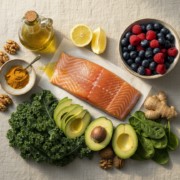
Salmon, mackerel, sardines, and herring are among the most powerful anti-inflammatory foods available. They are rich in omega-3 fatty acids, specifically EPA and DHA, which help shift the body away from its inflammatory state. Research supports omega-3s for heart health, joint health, brain function, and blood sugar regulation. Aim for two to three servings per week if possible.
Colorful Vegetables
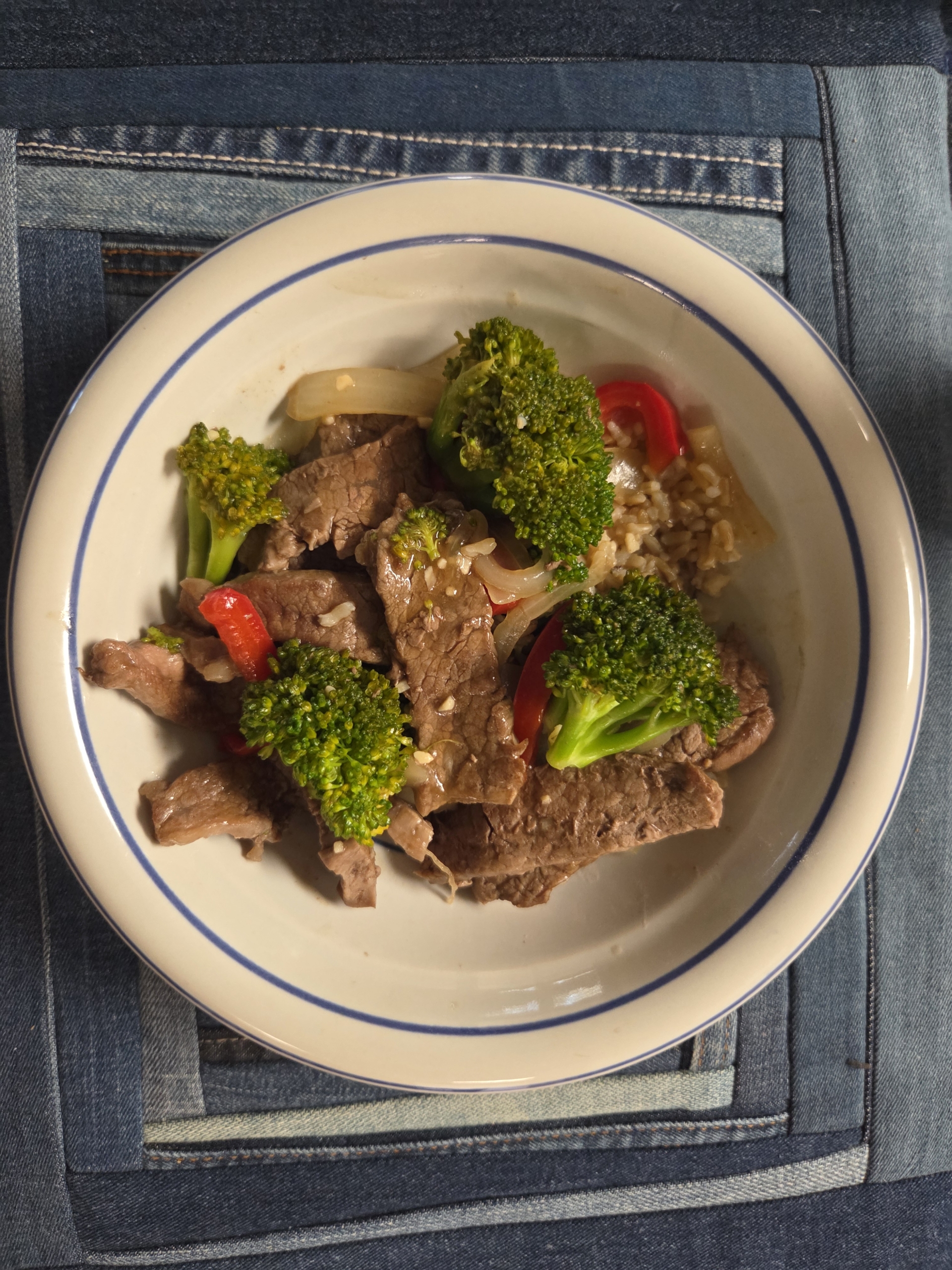
Dark leafy greens like spinach, kale, and arugula, along with brightly colored vegetables like bell peppers, beets, red cabbage, and broccoli, are packed with antioxidants and phytonutrients. These compounds help neutralize free radicals, which contribute to oxidative stress and inflammation. A simple rule: the more color on your plate, the better.
Berries
Blueberries, strawberries, raspberries, and blackberries contain compounds called anthocyanins that have strong anti-inflammatory properties. They are also relatively low on the glycemic index compared to other fruits, which makes them a good choice for people watching blood sugar. I add a handful to my breakfast most mornings.
Extra Virgin Olive Oil
One of the most well-studied anti-inflammatory foods in the world, extra virgin olive oil contains oleocanthal, a natural compound that works similarly to ibuprofen in blocking inflammatory pathways. The Mediterranean diet, which centers on olive oil, has decades of research supporting its role in reducing heart disease, diabetes risk, and inflammation.
Turmeric and Ginger
These two spices deserve their own spotlight. Curcumin, the active compound in turmeric, has been studied extensively for its anti-inflammatory effects. Ginger contains gingerols and shogaols, which have similar properties. Neither one is a magic fix, but using them regularly in cooking, teas, and smoothies is an easy way to support your body’s natural balance. I pair turmeric with black pepper because piperine (the compound in black pepper) dramatically increases curcumin absorption.
Nuts and Seeds
Walnuts, almonds, flaxseeds, and chia seeds are good sources of healthy fats, fiber, and minerals that support a calm immune response. Walnuts, in particular, are one of the best plant-based sources of omega-3 fatty acids.
Legumes and Whole Grains
Beans, lentils, chickpeas, oats, quinoa, and brown rice provide fiber that feeds beneficial gut bacteria. A healthy gut microbiome is one of the most important regulators of systemic inflammation. When gut bacteria thrive, they produce short-chain fatty acids that actively reduce inflammatory signals throughout the body.
Green Tea
Rich in a polyphenol called EGCG (epigallocatechin gallate), green tea has meaningful anti-inflammatory properties. It is also a gentler caffeine source than coffee for people who find that coffee affects their blood sugar or energy levels.
________________________________________
Making the Shift in a Way That Actually Lasts
I have worked with enough people to know that a long list of “eat this, not that” can feel overwhelming, even paralyzing. So here is how I think about it with clients, and how I approached it myself.
Start with one swap, not an overhaul. Choose one food you eat regularly that you know does not serve you, and find a satisfying replacement. Swap vegetable oil for olive oil in your cooking. Replace your afternoon crackers with nuts and berries. These small changes add up.
Focus on what you are adding, not just removing. When you fill your plate with more vegetables, healthy fats, and whole foods, there is naturally less room for the inflammatory stuff. Addition feels better than deprivation.
Read labels on packaged foods. As a pharmacist, I spent years reading drug labels. I bring the same attention to food labels now. If the ingredient list has more than five or six items and you cannot pronounce half of them, that is a signal to put it back or reduce how often you reach for it.
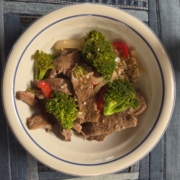
Cook more at home, even simply. You have control over what goes into your food when you prepare it yourself. This does not mean complicated recipes. It can mean roasting a sheet pan of vegetables, making a simple grain bowl, or grilling a piece of salmon with lemon and herbs.
Be patient with yourself. Reducing inflammation through diet is not something you will notice in three days. It builds over weeks and months. Your body will give you signals: better energy, less joint stiffness, more stable moods, improved digestion. Those signals are worth paying attention to.
________________________________________
You Do Not Have to Figure This Out Alone
I know how confusing nutrition can feel, especially when you are also managing a health condition. There is so much conflicting information out there, and it can be hard to know what applies to you specifically.
That is exactly why I became a health coach. I bring my background as a registered pharmacist and my lived experience managing Type 1 diabetes to every conversation. I understand how food interacts with medications, how blood sugar affects energy and mood, and how small, sustainable changes can build into something transformative over time.
If you are ready to take a closer look at how food is affecting your body and start making changes that feel good and actually stick, I would love to support you. Whether you are interested in one-on-one health coaching, an anti-inflammatory meal planning guide, or simply a conversation to figure out where to start, I am here.